Buy Now, Pay Later: How to Use BNPL Services Without Going Broke (2026)
Discover how to leverage BNPL services strategically while avoiding the debt traps that catch most consumers. Learn the hidden costs, smart repayment strategies, and when BNPL actually makes sense for your budget.

BNPL Services Are Designed to Make You Spend More
Buy Now, Pay Later has exploded into the mainstream. Every major retailer now offers some version of BNPL at checkout, and the marketing makes it sound like free money. Four interest-free payments. Zero fees if you pay on time. What could go wrong? Everything. BNPL services are engineered to extract more money from you over time, and they are exceptionally good at their job. The average consumer who starts using BNPL increases their spending by 30 to 40 percent compared to paying upfront. Retailers know this. The BNPL companies know this. You should know this too before you click that convenient little installment button.
The business model is straightforward. BNPL companies make money from merchants who pay transaction fees, typically 3 to 6 percent of each sale. They also profit from consumers who miss payments, pay late fees, or get hit with interest when they fail to complete payments on schedule. The zero-interest promise only applies if you hit every single deadline. Miss one payment on most platforms and you lose the promotional terms. The interest then kicks in retroactively on the entire original purchase amount, and suddenly that 200 dollar gadget costs you 280 dollars. BNPL services are not charities. They are sophisticated financial products designed to separate you from your money while making you feel like you are winning.
Here is what nobody talks about at the checkout screen. When you break a purchase into four payments, you are not really thinking about the total cost. Your brain processes four small numbers instead of one larger number. This is a deliberate psychological technique called price partitioning, and BNPL services weaponize it against you. A 400 dollar purchase feels like four separate 100 dollar purchases. You buy more because the pain of each individual payment feels minimal. The math does not change. You are still spending 400 dollars you may not have, but the BNPL interface makes it feel like a win. This is not accidental design. It is calculated manipulation, and understanding it is the first step toward using BNPL services without destroying your finances.
The Hidden Costs Nobody Tells You About BNPL
Before you sign up for your first BNPL plan, you need to understand the complete cost structure, because the advertised terms are not the full picture. Most BNPL services charge late fees ranging from 7 to 15 dollars per missed payment. That sounds small until you realize that consumers who miss payments often miss multiple payments across multiple plans simultaneously. If you have a 50 dollar late fee on one purchase, a 25 dollar late fee on another, and a 35 dollar late fee on a third, you have just paid 110 dollars in penalties for the privilege of spending money you did not have in the first place.
Hard inquiries are another cost that sneaks up on people. Every time you apply for a new BNPL service or split a purchase through certain platforms, the company may pull your credit report. One or two inquiries will not devastate your credit score, but a pattern of frequent BNPL applications creates a paper trail that lenders notice. Multiple installment loan applications in a short period signal financial stress to future creditors evaluating your mortgage application or auto loan. Your casual shopping habit becomes a red flag on your credit report.
Perhaps the most dangerous hidden cost is the acceleration clause buried in the fine print. Most BNPL agreements allow the company to demand the entire remaining balance if you miss a single payment. You do not just fall behind on that one purchase. The entire installment plan comes due immediately. If you bought a 900 dollar laptop on a six-payment plan and miss the second payment, the remaining 600 dollars could be due in full right then. Most people cannot pay 600 dollars on demand, which means the missed payment triggers a cascade of default fees, collection attempts, and potential legal action. BNPL services are not required to work with you the way a traditional credit card company might during financial hardship.
A Proven Framework for Using BNPL Without Destroying Your Finances
BNPL is not inherently evil. Used correctly, it can help you manage cash flow for legitimate purchases without paying interest. The problem is that 85 percent of BNPL users have used it for purchases they could not afford, according to industry surveys. You need to be in the 15 percent who treat BNPL as a deliberate financial tool, not a reflex. Here is how to do that without lying to yourself about your financial situation.
Rule one: Only use BNPL for purchases you already planned to make with cash you already have. BNPL should never be the reason you are buying something. It should only change the timing of a payment you were going to make anyway. If you walked into the store planning to buy a new television and you have the money, using BNPL to split that payment across four paychecks is reasonable. If you were not planning to buy a television and the BNPL option made you decide to buy it, you are using the tool incorrectly. The purchase decision must come first. The payment structure comes second.
Rule two: Always set up automatic payments one day before the due date, never on the due date. Technical failures happen. Your bank might have a processing delay. Your phone might die. Life happens in the 24 hours between when you think a payment processes and when it actually clears. By scheduling automatic payments a full day early, you create a buffer that protects you from late fees and the cascade of consequences that follow missed installments. BNPL services do not care that your payment was one hour late. They care that they got their money plus the penalty.
Rule three: Never carry more than two active BNPL plans at once. Multiple simultaneous plans create a logistical nightmare where you lose track of due dates and total exposure. When you have four different BNPL plans with four different due dates across four different apps, you are one busy week away from missing a payment and triggering late fees on all of them. Limit yourself to one or two active plans maximum. Pay them off completely before starting another. This discipline forces you to finish one obligation before taking on the next, which is exactly the opposite of how most people use these services.
The Best BNPL Strategies That Actually Work
If you are going to use BNPL services, you might as well extract every advantage possible from the arrangement. The smartest users treat these platforms like the interest-free loans they are advertised to be, while building systems that prevent the common failure modes. Here is the playbook that separates people who benefit from BNPL from people who get buried by it.
Use BNPL exclusively for large, planned purchases where you have already verified the total cost across multiple sources. Electronics, furniture, and appliances are the appropriate categories because these items have fixed prices that do not fluctuate, and you are unlikely to return them. Never use BNPL for clothing, food, subscription services, or anything with a variable or recurring cost. Those categories are where BNPL turns into a subscription trap that drains your bank account month after month without you noticing the pattern.
Keep a dedicated checking account just for BNPL payments. Fund it with exactly the amount you need for upcoming installments plus a 50 percent buffer. Every time you start a new BNPL plan, immediately transfer that total amount into this account and set up automatic payments for each due date. Thises your BNPL obligations from your regular spending money and eliminates the temptation to spend the money before the payment comes due. When the account is empty after paying your installments, you stop. The math is simple. The discipline is harder, but this structure makes it nearly automatic.
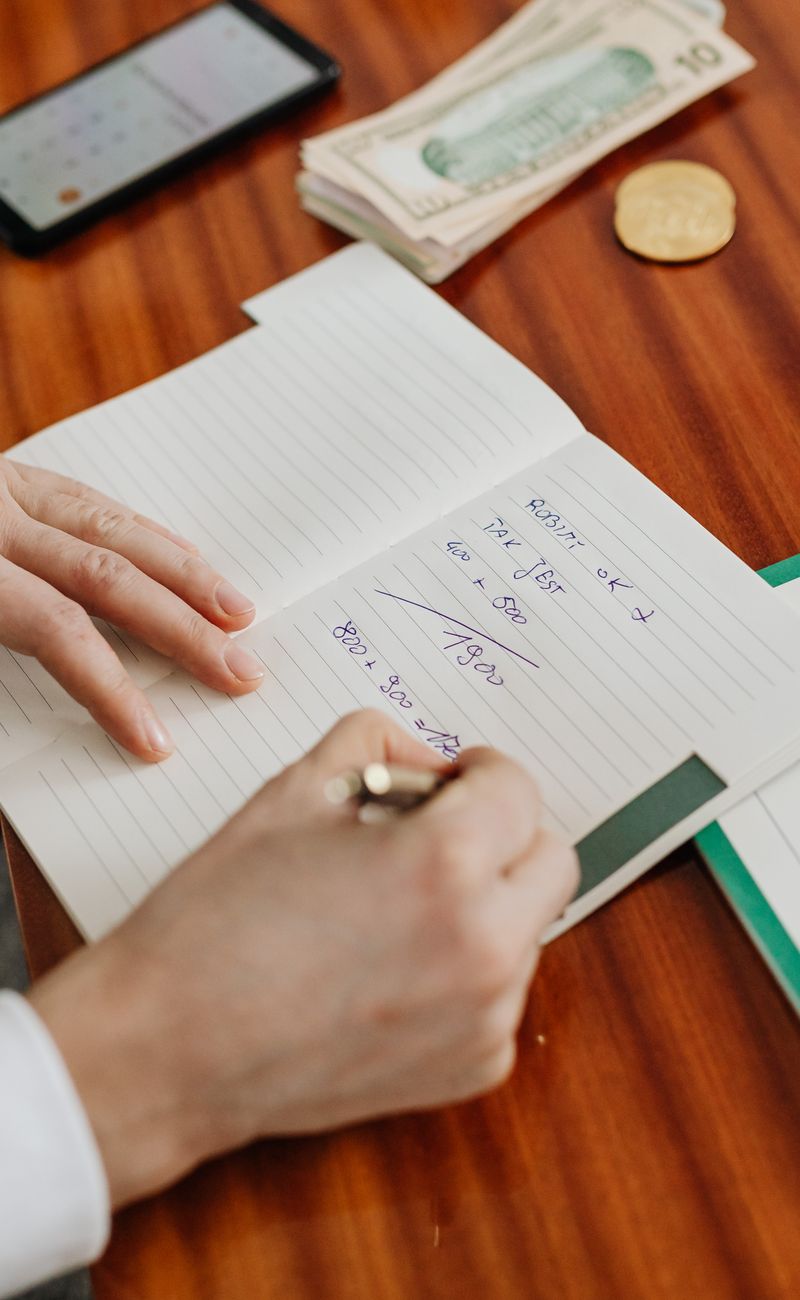
Track every active BNPL plan in a single spreadsheet or note. Include the merchant name, total purchase amount, payment amounts, remaining balance, and next due date. Update it weekly. This visibility prevents the surprise of discovering a payment you forgot was coming. Most people fail at BNPL because they lose track. You will not be most people if you maintain this simple visibility into your obligations. When you can see the complete picture of what you owe across all your BNPL services, you make better decisions about whether to add another plan.
When to Walk Away From BNPL Entirely
There are specific conditions where BNPL services stop being a useful tool and become an active threat to your financial stability. Recognizing these conditions early is essential for protecting your wealth, and ignoring them is a choice that will cost you money and stress.
Walk away if you have carried a balance on a credit card in the past six months. If you are already in credit card debt, adding BNPL obligations on top of that debt is pouring gasoline on a fire. The interest rates on credit cards are already working against you, and introducing installment payments on top of that creates a compounding problem. Clear your credit card balance and establish a month of living within your means before considering any BNPL usage.
Walk away if you have less than 1,000 dollars in an emergency fund. BNPL services assume your life will continue normally for the duration of your payment plan. Your car will not break down. Your employer will not cut hours. Your child will not need an unexpected medical co-pay. When you have no cushion, any disruption to your income immediately triggers missed BNPL payments and the associated penalties. Building even a small emergency fund removes the single biggest risk factor that causes BNPL users to spiral into debt.
Walk away if you have ever returned a BNPL purchase or cancelled a subscription you financed through these services. Returns and cancellations create confusion about remaining balances, refund timelines, and payment obligations that trips up even organized people. If you have a history of buyer's remorse on installment purchases, your relationship with BNPL is already unhealthy and no amount of strategic planning will override the behavioral pattern. The best BNPL user is someone who rarely needs to use BNPL because they buy with intention and save for large purchases instead of financing them.
BNPL services are a tool. Like any tool, they can build or destroy depending on who is holding them and how they are being used. The retailers offering these options do not care whether you end up in debt. They care that you bought more today. Your financial future depends on you being more deliberate than the system designed to extract money from you. Use BNPL strategically, sparingly, and with complete awareness of what you owe and when you owe it. Anything less is a slow-motion financial car crash that you will not see coming until the fees have already taken hundreds of dollars from your account.