Best Crypto Exchanges for Beginners: Top Platforms to Buy Crypto in 2026
Discover the best crypto exchanges for beginners in 2026. Our expert guide compares fees, security, features, and ease of use to help you start investing confidently.
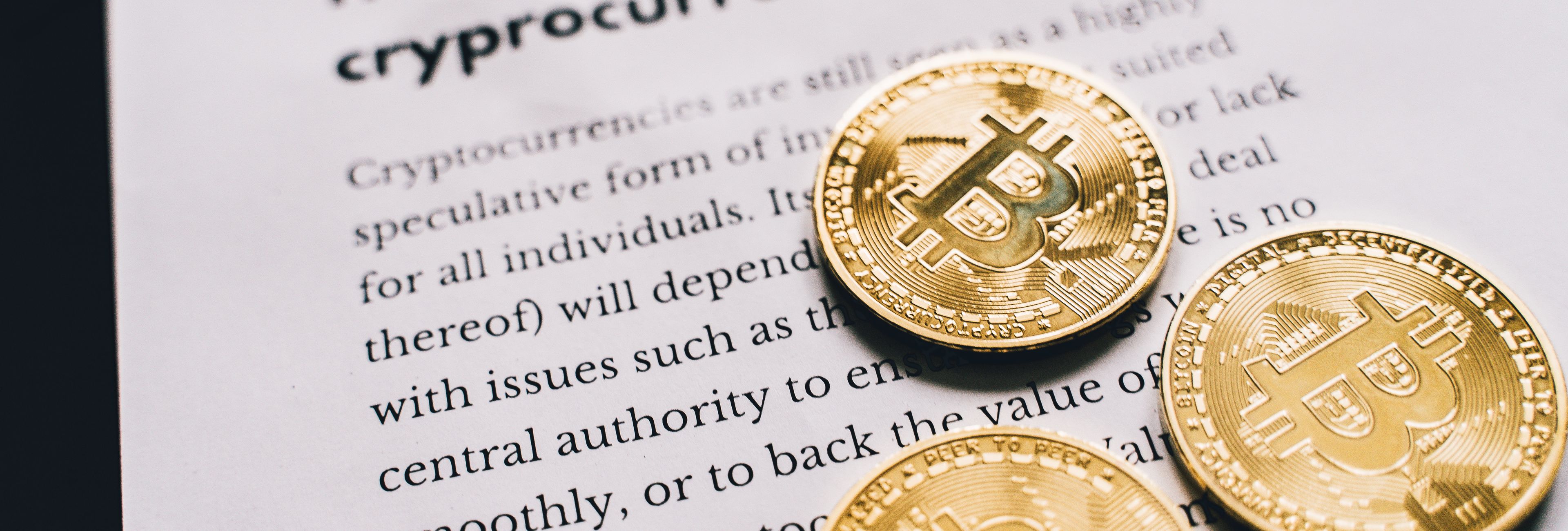
Why Your Choice of Crypto Exchange Shapes Your Entire Investment Journey
Most people who lose money in crypto do not lose it because they picked the wrong coin. They lose it because they picked the wrong platform. The exchange you choose determines what you pay in fees, how secure your holdings are, whether you can actually access your money when you need it, and whether you will develop healthy habits or destructive ones in the first twelve months of your journey. This is not a decision to make based on which app has the prettiest interface or which one your coworker mentioned at lunch. This is a decision that compounds over time, and the difference between a solid platform and a mediocre one can cost you thousands of dollars before you even realize it.
Beginners consistently underestimate how much trading fees eat into returns. A platform that charges 0.5% per trade does not sound expensive until you make fifty trades over two years and realize you have paid more in fees than you made on some of your positions. Add in withdrawal fees, deposit fees, and conversion spreads, and you are looking at a significant chunk of your potential gains disappearing before you ever consider taking profits. The exchanges that work best for beginners are the ones that make their fee structure transparent from day one and do not bury the real costs in fine print.
Core Features Every Beginner Should Demand From a Platform
Before discussing specific platforms, you need to understand what you are actually evaluating. Security is the foundation. You are trusting a company with your money, and crypto exchanges have been targets for hackers since the technology existed. The platforms worth using employ cold storage for the majority of customer funds, maintain insurance against theft, and have transparent proof of reserves. These are not optional features for serious platforms. They are table stakes. If an exchange cannot clearly explain how they protect your assets, you should not give them your money.
User experience matters more than most experienced traders want to admit. When you are learning, the last thing you need is a confusing interface that makes you afraid to execute trades or check your balance. A good beginner platform walks you through buying your first cryptocurrency with minimal friction. It explains what you are purchasing, what the fees are, and what happens next. It does not assume you already know what a wallet address is or why you should care about blockchain confirmations. The learning curve should be built into the platform, not something you have to fight through.
Payment options determine whether you can actually use the platform after you sign up. Some exchanges only accept bank transfers, which can take several business days. Others accept debit cards with instant processing but charge premium fees. The best platforms for beginners give you flexibility without punishing you for wanting to start small. They allow you to link your bank account, use a debit card, and in some cases even fund through peer-to-peer methods. The more ways you can move money onto the platform, the better your experience will be when you are just starting out.
The Platforms That Actually Work for People With No Prior Experience
Several major platforms have built their reputations specifically around accessibility for new users. These companies recognized early that the crypto market would not reach mainstream adoption if signing up and making your first purchase required a computer science degree. They invested heavily in simplified onboarding, educational content embedded directly into the trading experience, and customer support that actually responds when you have questions.
The largest retail platforms have scaled by removing barriers. They offer mobile applications that let you buy your first fraction of a bitcoin with a few taps. They provide clear pricing that shows you exactly what you are paying before you confirm a transaction. They allow you to set up recurring purchases so you can dollar-cost average without thinking about it every week. And they have built in features that help you understand what you own by linking your holdings to educational content about each specific cryptocurrency.
Some platforms have taken a different approach by focusing on regulatory compliance and trust. These exchanges operate in multiple countries, comply with local financial regulations, and undergo regular audits. For beginners, using a regulated platform means you have some recourse if things go wrong. It also means the platform has incentives to maintain high standards because they have something to lose if regulators shut them down. Unregulated platforms can offer lower fees or more exotic trading pairs, but the risk profile is different, and beginners should not confuse lower costs with better value.
How to Evaluate Crypto Exchanges Without Getting Scammed
The crypto space attracts bad actors, and beginners are disproportionately targeted because they do not yet know what red flags to look for. Any exchange that promises guaranteed returns, guaranteed profits, or risk-free trading should be avoided immediately. Crypto prices move based on market forces, and no platform can guarantee that you will make money. Anyone telling you otherwise is either lying or running a scam.
Look at the age of the platform and its reputation in the community. Exchanges that have operated for many years without major security incidents have earned trust through consistency. New platforms can be legitimate, but they carry more risk because they have not yet proven themselves over time. Check whether the exchange publishes information about its team, its headquarters, and its security practices. Companies that operate in the shadows should make you uncomfortable. Legitimate businesses want you to know who they are.
Test customer support before you commit any money. Send a question through their support channels and see how long it takes to get a response. If you cannot reach anyone when you have a simple question before signing up, imagine how difficult it will be when you have a real problem after you have money on the platform. The best exchanges for beginners treat customer service as a competitive advantage, not an afterthought.
Common Mistakes Beginners Make When Choosing an Exchange
Choosing an exchange based solely on which cryptocurrency is listed is a trap that catches many new traders. They see a platform that offers three hundred different coins and assume that variety equals quality. What they do not consider is that many of those coins have no real trading volume, which means wide spreads and difficulty executing large orders without significant price impact. A platform with fifty coins that all have healthy liquidity is often more useful to a beginner than one with three hundred coins where most barely trade.
Ignoring fee structures until after you have made dozens of trades is another costly pattern. Deposit fees, withdrawal fees, trading fees, and conversion spreads all add up. Some platforms advertise zero trading fees while making money on dramatically wider spreads between buy and sell prices. When you actually calculate what you paid for each transaction, you often find that the "free" platform was more expensive than competitors with explicit fees. Always calculate the true cost of a trade, not just the advertised fee.
Finally, beginners often choose platforms based on sign-up bonuses or referral incentives. Rewards programs are nice, but they should not be the primary factor in a decision that affects the security of your money and the efficiency of your trades. A platform that offers a twenty dollar bonus for signing up but charges higher ongoing fees will cost you far more than twenty dollars over a year or two of regular trading.
What Regulation Means for Your Choice of Platform
The regulatory environment for cryptocurrency exchanges varies significantly by country, and this matters more than most beginners realize. In the United States, major exchanges operate under money transmitter licenses and comply with securities regulations where applicable. They report suspicious activity to financial crimes units and maintain know-your-customer verification processes. These requirements exist to protect users, and platforms that operate outside of them carry legal and operational risks that can ultimately affect your ability to access your funds.
European exchanges operating under Markets in Crypto-Assets regulation must meet specific capital requirements, maintain segregated accounts for customer funds, and follow strict rules around transparency and investor protection. These regulatory frameworks are not perfect, and compliance does not guarantee that a platform will never fail. But they do create meaningful accountability that unregulated platforms simply do not have.
Understanding where your exchange operates and what regulations it follows helps you assess your actual risk. If a platform is not registered with financial authorities in your country, you may have limited legal recourse if they freeze your account, experience a hack, or shut down unexpectedly. The convenience of using an unregulated platform rarely justifies this risk, especially when you are just starting and do not yet have the experience to navigate problems on your own.
Building Your Foundation: The Practical Next Steps
Your first cryptocurrency purchase should happen on a platform where you feel comfortable and confident. That means taking the time to create accounts on two or three exchanges, completing the verification process on each, and making a small test purchase to see how the experience actually feels. Do not commit your full intended investment on the first platform you encounter without verifying that the process works smoothly and that customer support is responsive.
Once you have made your first purchase, take time to understand what you actually own. Every exchange will give you a balance showing how much cryptocurrency you hold. Far fewer will help you understand what that means in terms of private keys, wallet custody, and what happens if the exchange shuts down. The best beginners treat this learning period as an investment in themselves, not just an investment in digital assets. Understanding the technology behind your holdings will make you a better investor and help you avoid panic selling during market downturns.
Do not rush to trade. Most beginners lose money in their first months because they overtrade, chasing small price movements and paying fees on every transaction. The investors who build real wealth in this space tend to be the ones who bought what they believed in and held it through volatility. Your exchange choice matters, but what you do after signing up matters more. Pick a platform you trust, make purchases you are comfortable holding for years, and resist the urge to check your balance every hour. The fundamentals of building wealth have not changed: buy smart, hold patiently, and do not let fees erode your returns.


